
El arte y la tradición detrás de un utensilio sostenible y culturalmente arraigado.
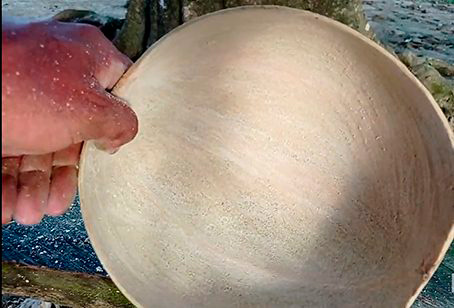
uma es un elemento tradicional de la cultura llanera y de muchas otras regiones de América Latina. Se obtiene del fruto del árbol de totumo (Crescentia cujete), cuya cáscara dura se seca y se transforma en utensilios de uso cotidiano. Su versatilidad la ha convertido en un símbolo del ingenio artesanal y la sostenibilidad.
Desde tiempos ancestrales, la totuma ha sido utilizada por comunidades indígenas y campesinas para transportar agua, servir alimentos y como recipiente para bebidas tradicionales como la chicha. Su resistencia y ligereza la hacen ideal para el día a día, especialmente en zonas rurales donde los materiales sintéticos no siempre están disponibles.
Además de su uso doméstico, la totuma ha encontrado un espacio en la música y el arte. Se emplea para fabricar maracas, un instrumento fundamental en el folclore llanero, y en la elaboración de objetos decorativos que reflejan la identidad cultural de la región. Su tallado y pintado permiten la creación de piezas únicas con gran valor artístico.
En la actualidad, la totuma sigue siendo apreciada por su valor ecológico, ya que es un recurso renovable y biodegradable. En un mundo donde la contaminación plástica es un problema creciente, su uso representa una alternativa sostenible que honra las tradiciones y promueve el respeto por el medioambiente.
Ingles
The Totuma: A Traditional and Sustainable Utensil
The art and tradition behind a sustainable and culturally rooted utensil.
The totuma is a traditional element of Llanero culture and many other regions of Latin America. It is obtained from the fruit of the totumo tree (Crescentia cujete), whose hard shell is dried and transformed into everyday utensils. Its versatility has made it a symbol of artisanal ingenuity and sustainability.
Since ancient times, the totuma has been used by indigenous and rural communities to carry water, serve food, and as a container for traditional beverages such as chicha. Its durability and lightness make it ideal for daily use, especially in rural areas where synthetic materials are not always available.
Beyond its domestic use, the totuma has also found a place in music and art. It is used to make maracas, a fundamental instrument in Llanero folklore, as well as decorative objects that reflect the cultural identity of the region. Carving and painting allow for the creation of unique pieces with great artistic value.
Today, the totuma continues to be appreciated for its ecological value, as it is a renewable and biodegradable resource. In a world where plastic pollution is an increasing problem, its use represents a sustainable alternative that honors traditions and promotes respect for the environment.